


Science Program
If you want the personal connection of an excellent brick-and-mortar classroom combined with the flexibility of online learning for your student, choose this option. Our signature live online courses are the heart of the Williamsburg program, led by expert mentors who create a deep sense of community between students. Live courses include the following benefits:
In many live courses, we offer both a Classic and Honors format. Students in both versions meet in the same live class sessions, but students in Honors courses have about 30% more readings and assignments, including projects that are more challenging. Students are welcome to enroll in whichever version fits best for them and can switch within the first twenty-one days of the semester. Honors courses are not available in the self-paced format.
If your student works well independently or needs more flexibility to work around other
activities, our self-paced courses are an ideal option and provide a richer, more personal experience than many other asynchronous online courses. Self-paced courses include the following benefits:
In high school Math, Fine Arts, PE, and Electives, we offer independent courses so students can earn academic credit for learning from a third-party curriculum provider. Some students prefer alternative math programs; others put in long hours practicing musical instruments, competing on an athletic team, or participating in internships. Students can earn credit for these and other activities by enrolling in an Independent Studies course, provided they fulfill the course requirements (see the above course links for full details).
Why This Class
As a parent, you want your student to appreciate the miracle of life in its full complexity. You also want them to hang onto their youthful curiosity—the habit of always asking “How?” or “Why?” This course helps with both by exposing your student to the wonders and intricacies of biology.
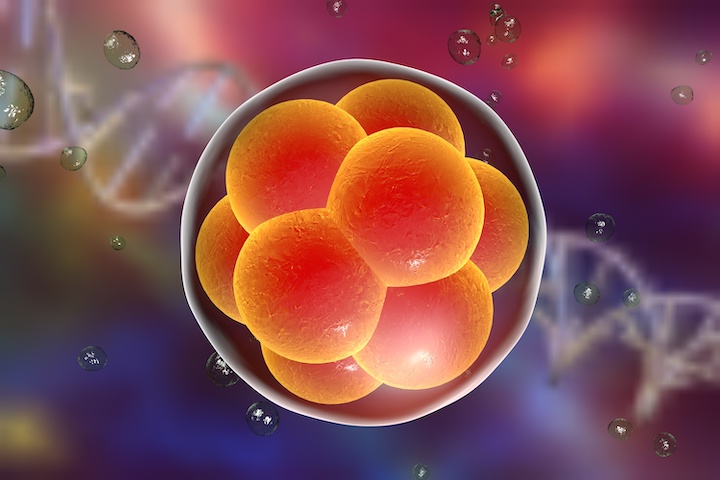
Mentors in this course guide students on an exploration of the concepts of cells, cellular reproduction, metabolism, and genetics. In labs, students use the scientific method to create experiments that teach them more about life through observation, hypotheses, data gathering, and analysis. Mentors also demonstrate the use of data to validate—or question—scientific conclusions. Students apply all of these skills as they debate findings in evidence-based discussions with their peers.
Students emerge from this course with an elevated understanding of what’s known and unknown about how living organisms function. They are more motivated than ever to ask questions about life and use scientific thinking to find meaningful answers.
The Violinist’s Thumb: And Other Lost Tales of Love, War, and Genius, as Written by Our Genetic Code by Sam Kean
This course requires additional supplies. Please see the book list in SIS for details
What are the building blocks of life that make us who we are?
What are the parts of a cell and what do they do?
How does photosynthesis produce energy?
What did Mendel teach us about genetics?
How does DNA carry and distribute genetic information?
Please contact our Customer Support Team at support@williamsburglearning.com if you have questions.
Please note that program and course descriptions, as well as reading and materials lists, are subject to change as we continuously improve our curriculum throughout the year. Book and materials lists for the upcoming school year are published in SIS mid to late June.
Monday - Thursday 9:00 am - 4:00 pm MST
Friday 9:00 am - 1:00 pm MST
Closed weekends and holidays
1173 S 250 W Ste 107 Saint George, Utah 84770
P. 800-200-6869 F. 435-215-7699